
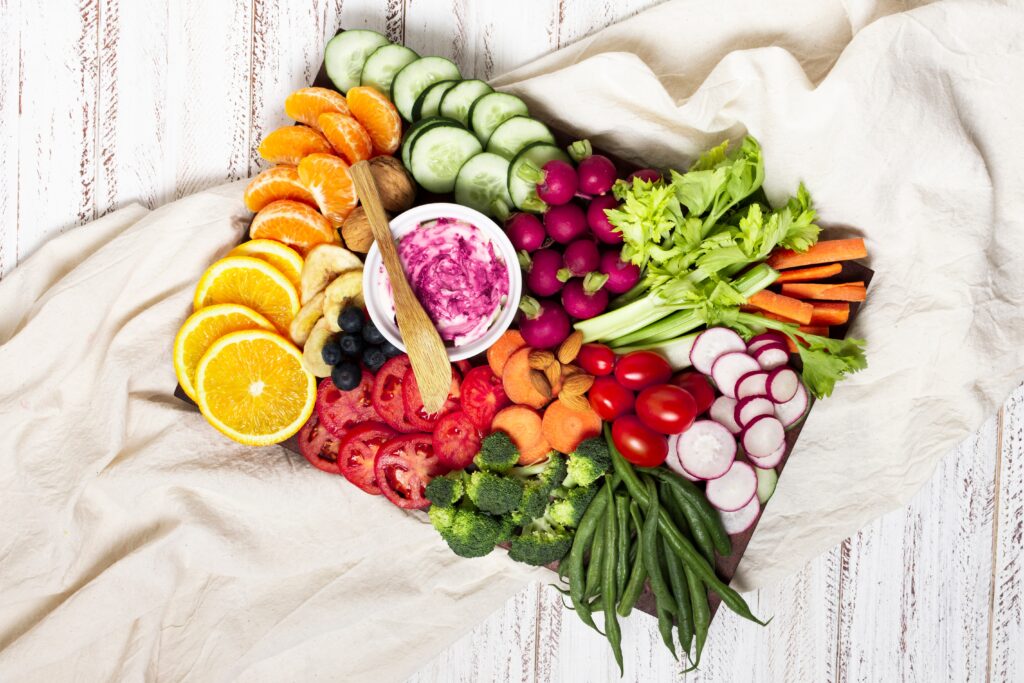
When most people hear the word “detox,” they picture a strict juice cleanse, an elimination diet, or a weekend of drinking nothing but lemon water and cayenne. And while dedicated cleansing protocols certainly have their place — and I’m not here to talk you out of them — there’s something even more fundamental worth understanding first: your body is already detoxifying, right now, as you read this. Detoxification isn’t something that happens only when you commit to a 10-day program. It’s a continuous, sophisticated biological process happening in your liver, kidneys, digestive tract, lungs, and skin — every single minute of every single day. The real question isn’t whether your body detoxifies. It’s whether you’re giving it the support it needs to do that job well.
In today’s world, that support matters more than ever.
Why Detoxification Matters Now More Than Ever
We live in a chemical environment that simply did not exist 100 years ago. Toxins in food, water, and air are genuinely ubiquitous — from pesticide residues on conventionally grown produce, to microplastics in drinking water, to volatile organic compounds off-gassing from furniture and building materials, to heavy metals in cosmetics and personal care products. These aren’t hypothetical concerns. They’re well-documented, measurable, and accumulating in human tissue at rates that researchers are still working to fully understand.
Environmental toxins primarily affect three major systems in the body: the immune system, the hormonal system, and the neurological system. This is why the symptom picture of chronic toxic burden is so wide-ranging. Patients dealing with the downstream effects of environmental toxicity often present with:
- Hormonal disruption: unexplained weight gain, difficulty losing weight, fatigue, insomnia, low thyroid function, PMS, irregular cycles, infertility, and difficult menopausal transitions
- Mood and neurological symptoms: anxiety, depression, brain fog, memory problems, and in more severe cases, increased risk for neurodegenerative conditions like Parkinson’s and Alzheimer’s disease
- Immune dysfunction: autoimmune illness, frequent infections, chronic inflammation, and some forms of cancer
The connection between toxic burden and these conditions is increasingly supported by research — and it’s one of the reasons I emphasize detoxification support as a cornerstone of preventive and integrative medicine.
But here’s the empowering part: you don’t need a formal cleanse to meaningfully reduce your toxic burden. What you need is consistency with the daily practices that support your body’s existing detox machinery. Cleanses can be a wonderful reset and a powerful way to accelerate the process — but the daily habits are where the real long-term benefit lives.
Your Body’s Built-In Detoxification Systems
Before we get into the practical tips, it’s worth briefly appreciating the remarkable detox infrastructure your body already has:
The Liver is the master detoxifier, running two phases of chemical transformation that convert fat-soluble toxins into water-soluble compounds that can be excreted. It processes everything from alcohol and medications to hormones and environmental chemicals.
The Kidneys continuously filter the blood, removing water-soluble waste and toxins through urine. They process roughly 200 liters of blood per day.
The Digestive Tract acts as both a barrier and an elimination route — fiber binds to toxins and carries them out of the body before they can be reabsorbed. A healthy, nutrient-dense diet is one of the most powerful ongoing detox tools available.
The Skin is the largest organ of elimination. Sweat carries a meaningful load of heavy metals and other fat-soluble toxins out of the body — making regular movement and perspiration genuinely therapeutic.
The Lungs eliminate volatile compounds with every exhale and are highly sensitive to air quality and breathing patterns.
When these systems are well-supported, the body handles a significant toxic load with remarkable efficiency. When they’re depleted, overburdened, or underperforming, toxins accumulate — and symptoms follow.
10 Daily Detox Practices to Support Your Body’s Natural Processes
1. Reduce Your Toxic Inputs
The most effective detox strategy is reducing how much your body has to process in the first place. While you can’t control everything in your environment, there are meaningful choices you can make every day:
- Ditch plastic food and drink containers. Many plastics leach bisphenol A (BPA), phthalates, and other endocrine-disrupting chemicals — especially when heated. Switch to glass, stainless steel, or ceramic.
- Replace non-stick cookware. Pans coated with PTFE (Teflon) and related compounds release toxic fumes when overheated and degrade over time. Cast iron, stainless steel, or ceramic-coated cookware are safer alternatives.
- Choose whole foods over packaged foods. Processed and packaged foods expose you to preservatives, artificial dyes, and the chemicals that migrate from packaging itself.
- Purify your indoor air. Use HEPA air purifiers, open windows when outdoor air quality allows, and keep air-cleaning houseplants like pothos, snake plants, peace lilies, and spider plants. Indoor air can actually be more polluted than outdoor air.
- Audit your personal care products. Conventional lotions, shampoos, toothpastes, and cosmetics can contain parabens, phthalates, synthetic fragrances, and heavy metals. The Environmental Working Group’s Skin Deep database is a free resource for checking product safety.
- Swap conventional cleaning supplies for non-toxic alternatives. Vinegar, baking soda, and castile soap handle most household cleaning tasks without the volatile chemical load.
- Leave shoes at the door. Shoes track in herbicides, pesticides, heavy metals, and other outdoor contaminants. A simple no-shoes policy keeps your floors — and your floors’ proximity to children who play on them — significantly cleaner.
2. Hydrate Intentionally
Water is the medium through which virtually every detoxification reaction in the body occurs. Every cell depends on adequate hydration to efficiently process and eliminate waste. This is non-negotiable.
The goal: aim for approximately half your body weight in ounces of purified water per day. For a 150-pound person, that’s 75 ounces — roughly 9 to 10 cups. Active individuals, those in hot climates, and anyone doing intentional detox work may need more.
Equally important is water quality. Tap water in many municipalities contains chlorine, chloramine, fluoride, pharmaceutical residues, heavy metals, and increasingly, PFAS (“forever chemicals”). Filtering your water through a high-quality system — reverse osmosis or a solid carbon block filter — removes the majority of these contaminants. Drink filtered water from glass or stainless steel containers rather than plastic.
Start your morning with a full glass of room-temperature filtered water before anything else. This rehydrates you after sleep, activates digestion, and gets your detox pathways moving for the day.
3. Move Your Body Every Day
Physical movement is one of the most potent detoxification tools available — and it’s free. Exercise promotes detoxification through multiple pathways simultaneously:
- Circulatory support: Movement drives blood through the liver and kidneys more efficiently, increasing the throughput of these filtration organs.
- Lymphatic flow: Unlike the cardiovascular system, the lymphatic system has no pump — it depends entirely on muscular contraction and movement to circulate. A sedentary lifestyle is a stagnant lymphatic system.
- Sweating: Perspiration carries heavy metals (including arsenic, cadmium, lead, and mercury), BPA, and other lipophilic toxins out through the skin. This is real, measurable elimination — not just a figure of speech.
You don’t need intense exercise to get these benefits. Brisk walking, yoga, cycling, swimming, rebounding (mini-trampoline) — any form of regular movement that gets you breathing harder and, ideally, sweating is detox-supportive.
Infrared sauna is worth a special mention here. Unlike conventional saunas, infrared energy penetrates more deeply into tissue, mobilizing fat-stored toxins more effectively. Regular infrared sauna sessions are increasingly used in integrative medicine as an adjunct detox protocol, with a growing evidence base for reducing heavy metal burden and supporting cardiovascular health.
An important note: rinse off promptly after sweating. Toxins excreted through sweat can be reabsorbed through the skin if left on the surface. A cool rinse after exercise or sauna prevents this.
4. Prioritize Daily Elimination
The digestive tract is a primary elimination route, and regularity matters enormously for detox. Here’s why: bile produced by the liver carries toxins and used hormones into the digestive tract for excretion. If bowel movements are infrequent, these compounds sit in the colon longer — giving them time to be reabsorbed back into circulation through a process called enterohepatic recirculation. This is particularly relevant for estrogen metabolism and explains why chronic constipation is so commonly associated with hormonal imbalance.
The goal is at least one complete bowel movement per day — ideally two. Supporting healthy elimination involves:
- Fiber: Dietary fiber is the backbone of bowel regularity. Both soluble and insoluble fiber play important roles — soluble fiber binds to toxins and bile acids, while insoluble fiber provides bulk and speeds transit time. Aim for 25–38 grams per day from whole food sources: vegetables, fruits, legumes, and whole grains.
- Hydration: Fiber without adequate water can worsen constipation. These two work together.
- Probiotics: A healthy gut microbiome supports regular motility, reduces intestinal permeability, and plays a surprising role in processing environmental toxins. Fermented foods — yogurt, kefir, kimchi, sauerkraut, miso — are excellent daily sources.
- Movement: The gut responds directly to physical activity. Even a 10-minute walk after meals can meaningfully improve motility.
- Castor oil packs: This traditional hydrotherapy tool, applied over the abdomen, supports liver function, reduces inflammation, promotes lymphatic circulation, and can significantly improve bowel regularity. Learn more about castor oil packs here.
5. Breathe Deeply and Deliberately
Breathing is the only detoxification function you can consciously control — and most people are doing it poorly. Shallow, upper-chest breathing, driven by chronic stress and sedentary posture, limits oxygen delivery to cells and reduces carbon dioxide clearance. Tissues that are underoxygenated cannot carry out their metabolic and detoxification functions efficiently.
The lungs also directly eliminate volatile organic compounds, acetaldehyde, and other gaseous metabolites with every exhalation. Deep, diaphragmatic breathing maximizes this clearance.
The practice: dedicate at least 5 minutes daily to intentional deep belly breathing. Inhale slowly through your nose, allowing your belly to expand fully before your chest rises. Exhale completely, drawing the navel gently toward the spine. Even this simple practice, done consistently, has measurable effects on stress hormones, oxygen saturation, and vagal tone — all of which influence the body’s capacity to detoxify.
Box breathing (4 counts in, 4 hold, 4 out, 4 hold), alternate nostril breathing, and extended exhale breathing (inhale for 4, exhale for 8) are all excellent techniques to explore.
6. Nourish Your Detox Pathways Through Food
Diet is the foundation of everything. The nutrients your liver needs to run its Phase I and Phase II detoxification reactions are supplied entirely by what you eat. A nutrient-depleted diet doesn’t just fail to support detoxification — it actively impairs it.
Key dietary principles for daily detox support:
- Eat organic as much as possible. If a 100% organic diet isn’t realistic, use the Environmental Working Group’s “Dirty Dozen” list to prioritize which items to buy organic (highest pesticide load: strawberries, spinach, kale, peaches, pears, nectarines, apples, grapes, bell peppers, cherries, blueberries, green beans). The “Clean 15” are lower-priority items where conventional is generally acceptable.
- Emphasize liver-supportive foods daily:
- Beets: Rich in betaine, which supports Phase II liver detoxification and helps protect liver cells. Beet greens are equally valuable.
- Burdock root: A traditional detoxifying herb that supports both liver and kidney elimination; excellent in teas, soups, or stir-fries.
- Brassica vegetables (broccoli, kale, cabbage, Brussels sprouts, cauliflower, arugula, bok choy): These contain glucosinolates and indole-3-carbinol, which powerfully upregulate Phase II liver detox enzymes and support healthy estrogen metabolism. Aim for at least one serving daily.
- Kidney-supportive foods: Parsley, cilantro, watermelon, cucumber, and asparagus support kidney filtration and are mildly diuretic. Cilantro has been studied for its ability to bind heavy metals in the gut, potentially reducing reabsorption.
- Avoid dietary obstacles to detoxification: Refined sugar promotes systemic inflammation and depletes glutathione (the body’s master antioxidant and key detox cofactor). Alcohol burdens the liver directly. Ultra-processed foods introduce a chemical load that competes with the body’s detox capacity.
7. Spice Up Your Detox Support
Culinary spices are genuinely medicinal — and some of the most powerful detox-supportive compounds available are sitting in your kitchen right now:
- Turmeric (curcumin): One of the most well-researched anti-inflammatory compounds in natural medicine. Curcumin supports bile production, enhances Phase II liver detoxification, and is a potent antioxidant. Absorption is dramatically improved when consumed with black pepper and a fat source.
- Ginger: Anti-inflammatory, supports digestive motility, reduces nausea, and has demonstrated hepatoprotective properties in research.
- Garlic: Contains allicin and organosulfur compounds that support liver detox enzymes, have demonstrated antimicrobial properties, and can bind to heavy metals in the gut.
- Onion: Rich in quercetin, a flavonoid with strong anti-inflammatory and antioxidant effects that support liver function.
- Cayenne pepper: Stimulates circulation and digestion, supports metabolic function, and has mild diaphoretic (sweat-promoting) effects.
Cooking with these spices daily isn’t just culinary pleasure — it’s daily medicine.
8. Use Hydrotherapy: Hot and Cold Water
Hydrotherapy — the therapeutic use of water — has been a cornerstone of naturopathic medicine for over 150 years, and for good reason. It works.
The simplest and most accessible hydrotherapy practice is ending your shower with 30 to 60 seconds of cold water. The mechanism is simple: the cold water causes peripheral blood vessels to constrict, driving blood flow toward the core and vital organs — including the liver, kidneys, and digestive tract. This increased visceral circulation enhances the filtration and detoxification function of these organs. It also stimulates the parasympathetic nervous system, improves mood, and has been shown to improve resilience to stress.
If a full cold shower feels too extreme, start with just the legs and feet, or gradually lower the temperature over time. The contrast between warm and cool is where much of the therapeutic value lies.
Castor oil packs over the liver (right upper abdomen) are another excellent hydrotherapy tool that complements this approach. Applied for 45–60 minutes with gentle heat, they improve lymphatic flow, reduce inflammation, and support liver and gallbladder function. Detailed instructions on castor oil packs can be found here.
9. Address Emotional and Mental Toxicity
Physical detoxification and emotional wellbeing are not separate domains — they are deeply, mechanistically intertwined. Chronic psychological stress elevates cortisol and inflammatory cytokines, suppresses immune function, impairs digestive motility, disrupts sleep, and measurably reduces the liver’s detoxification capacity. The body cannot effectively eliminate physical toxins when it is perpetually flooded with stress hormones.
Persistent depression, anxiety, unprocessed grief, or chronic anger aren’t just uncomfortable — they create a physiological state that actively hinders the body’s innate healing and detox capacity. In naturopathic medicine, we call these “obstacles to cure.” They must be addressed, not simply managed or suppressed.
Practices that support emotional detoxification include:
- Journaling: Writing about difficult emotions has been shown in research to reduce inflammatory markers and improve immune function.
- Somatic movement: Yoga, qigong, and tai chi support both physical lymphatic flow and nervous system regulation simultaneously.
- Therapy and counseling: Processing unresolved emotional material is legitimate medical care.
- Meditation and mindfulness: Even 10 minutes of daily meditation reduces cortisol and shifts the nervous system toward parasympathetic (“rest and digest”) dominance — the state in which detoxification, repair, and healing are most active.
- Time in nature: Emerging research on “forest bathing” (shinrin-yoku) shows measurable reductions in cortisol, blood pressure, and inflammatory markers from time spent in natural environments.
The body follows the mind. Tending to your mental and emotional environment is as much a part of detoxification as anything you eat or drink.
10. Repeat: Consistency Is Everything
If there’s a single principle that unifies everything on this list, it’s this: detoxification is not an event. It’s a practice.
A 10-day cleanse followed by a return to stress, processed food, inadequate sleep, and sedentary living provides minimal lasting benefit. The body is regularly exposed to toxins — daily — which means it needs daily support. The good news is that these practices don’t have to be overwhelming or all-or-nothing. Each one you integrate consistently compounds with the others over time.
Start with one or two that feel most accessible. Perhaps that’s upgrading your water filter, adding a daily vegetable serving, or ending your shower with 30 seconds of cool water. Build from there. The goal isn’t perfection — it’s a sustainable daily practice that progressively reduces your toxic burden, supports your body’s extraordinary natural intelligence, and creates the foundation for lasting vitality.
A Note on Dedicated Cleanses
As mentioned at the outset: I am not anti-cleanse. Dedicated detox programs — whether a modified elimination diet, a supervised herbal cleanse, or a short-term juice protocol — can be genuinely valuable tools for accelerating the elimination of accumulated toxins, identifying food sensitivities, resetting digestion, and giving the liver an intensive period of support.
The key is approaching them as one powerful tool in a larger toolkit — not as the only tool, and not as a substitute for the daily practices described here. The most effective approach is consistent daily support, with periodic deeper work as needed.
If you’re considering a more structured detox protocol, working with one of the Naturopathic Doctors at Rocky Mountain Natural Medicine ensures the program is appropriately designed for your individual health history, current medications, and specific toxic exposures.
The Bottom Line
Your body is a remarkable detoxification system — constantly working, constantly adapting, constantly clearing. Your daily habits are either supporting that process or making it harder. The 10 practices outlined here are not extreme interventions. They’re the consistent, compounding choices that allow your body’s built-in intelligence to do what it was designed to do.
Reduce, hydrate, move, eliminate, breathe, nourish, spice, hydrotherapy, emotional wellness, and repeat.
Start today. Your body will thank you.
Dr. Holly German is a licensed naturopathic physician practicing in Fort Collins, Colorado, specializing in women’s health, hormone balance, and digestive health. Schedule your complimentary 15 minute consultation with any of our doctors today!
Related Resources: