

I talk with every patient about nutrition because what we eat is one of the most powerful tools we have for maintaining good health. A healthy diet provides the nutrients we need to function well, reduces inflammation, supports energy, mood, hormones, and digestion, and reduces the risk of chronic disease. Despite how important it is, learning how to eat well is one of the biggest challenges my patients face — not because the principles are complicated, but because we live in a food environment that makes it difficult to make healthy choices consistently.
This guide is my attempt to make it simpler. These are the Healthy Diet Tips I return to repeatedly with patients, grounded in both current nutritional science and practical, real-world application.
Healthy Diet Tips:
1. Nutrition Security
No nutritional advice should begin without acknowledging that disparities exist between people as far as the food that is available to them, that they can access, and that they can afford. According to a 2022 American Heart Association position paper, nutritionally inadequate dietary intake, which has affected at least ten percent of households in the United States since the 1990s, is a leading contributor to the development of chronic cardiometabolic diseases. We do the best we can with what we have. The suggestions in this list are always grounded in this recognition.
2. Eat Real, Whole Food
This may sound obvious, but it’s an important and often-overlooked principle of healthy eating. Real food is food that exists in nature and has not been heavily processed, chemically altered, or manufactured in a factory. Whole foods are as close to their natural state as possible — minimally refined, minimally processed, and intact. When grains, for example, are refined into white flour or white rice, the fiber, vitamins, minerals, and phytonutrients contained in the outer bran and germ are stripped away, leaving primarily starch and calories with lowered nutritional value. Cooking, fermenting, and preserving foods at home are not examples of highly-processed foods, by the way.
A 2024 review published in the British Journal of Nutrition confirmed that diets high in ultra-processed foods are associated with significantly elevated markers of systemic inflammation — a key driver of virtually every chronic disease including cardiovascular disease, diabetes, obesity, and autoimmune conditions. Conversely, diets built around whole, minimally processed foods consistently show reduced inflammatory markers and improved health outcomes across multiple chronic conditions.
Avoid packaged and processed foods as much as possible — these are often high in sodium, refined oils, added sugar, and artificial additives. Read labels. If a product has more than five ingredients or has ingredients you don’t recognize, learn more. Sometimes it’s a vitamin, but sometimes it’s an unhealthy additive. Avoid artificial sweeteners including Splenda, NutraSweet, and Sweet-n-Low — these disrupt gut bacteria, can increase sugar cravings and are associated with metabolic dysfunction. Avoid artificial colors and dyes — many are derived from petroleum and have been linked to allergies, behavioral issues in children and other health concerns. Avoid hydrogenated and partially hydrogenated fats (also called trans fats) — these are industrially-produced fats that raise LDL cholesterol and increase cardiovascular risk. Choose whole grains such as brown rice, steel-cut oats, quinoa, farro, millet, and whole grain bread. These provide fiber, B vitamins, magnesium, and sustained energy compared to their refined counterparts.
A practical tip I give patients: shop around the edges of the grocery store. The perimeter is where you find whole foods — fruits, vegetables, eggs, dairy, and meat. The interior aisles are where the packaged, processed products live. This one shift in shopping habits can significantly improve the quality of your diet without requiring a major overhaul.
3. Eat a Rainbow
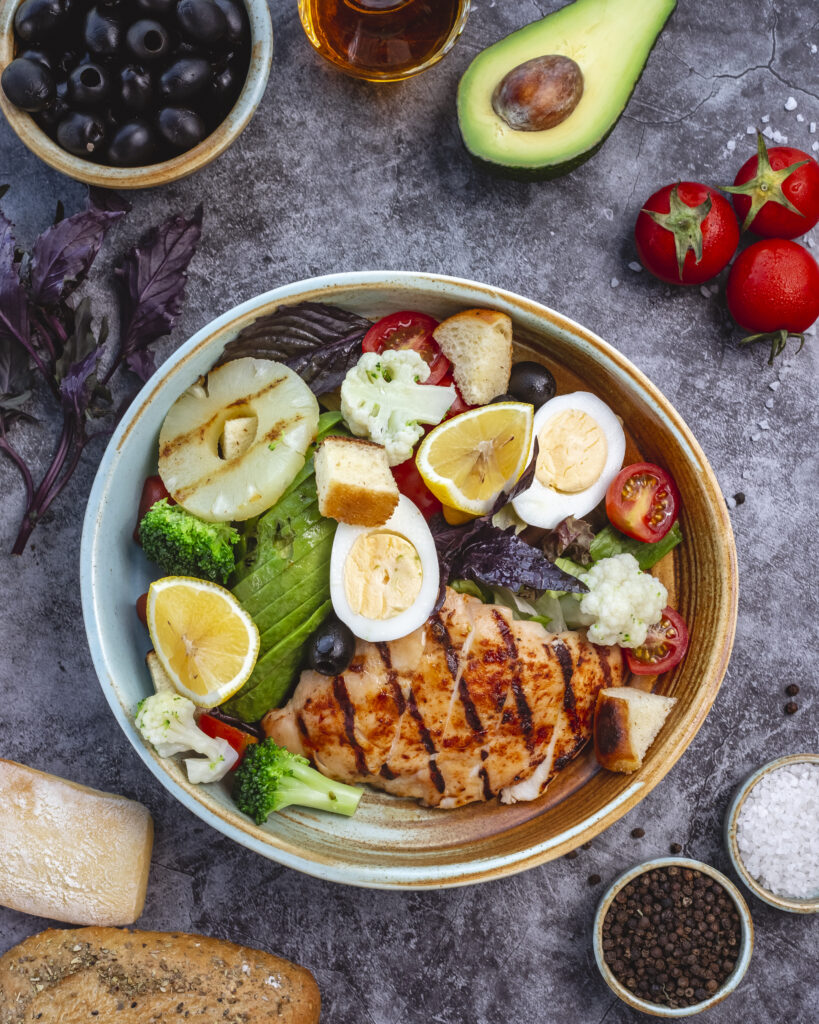
Fruits and vegetables are among the most nutrient-dense foods available, and their colors are not just beautiful — they signal the presence of specific phytonutrients and antioxidants. A 2024 systematic review found that fruit and vegetable intake reduced circulating inflammatory cytokines in 80% of intervention studies, suggesting that colorful produce is one of the most reliable dietary tools for reducing chronic inflammation.
Red and orange foods — like tomatoes, red bell peppers, carrots, apricots, mangoes, and garnet yams — are rich in carotenoids and lycopene, which support immune function and cardiovascular health.
Dark leafy greens — like kale, collard greens, spinach, and broccoli — are packed with folate, vitamin K, magnesium, and anti-inflammatory compounds.
Purple and blue foods — like blueberries, blackberries, grapes, and plums — are exceptionally high in anthocyanins, a class of antioxidants associated with brain health, reduced inflammation, and improved cardiovascular markers.
Eat fruits and vegetables raw, lightly steamed, or baked — not fried or overcooked, as heat degrades many vitamins, enzymes, and heat-sensitive phytonutrients. When fresh produce isn’t available, choose frozen, then canned — frozen produce is typically flash-frozen at peak ripeness and retains most of its nutritional value. Canned options are still valuable and better than no vegetables at all. Eat whole fruit rather than juice — whole fruit contains fiber that slows sugar absorption and promotes the feeling of fullness, while juice concentrates the sugar without the fiber benefit.
4. Eat Organically When Possible
Pesticide and herbicide residues in conventionally grown produce and animal products are a legitimate health concern — particularly for children, pregnant women, and anyone with a compromised detoxification capacity. Animals raised conventionally concentrate these compounds in their tissues through bioaccumulation, meaning the exposure from animal products can be higher than from plant foods.
Choose wild-caught salmon over farmed fish and over high-mercury options like tuna. Wild salmon is an excellent source of omega-3 fatty acids and has lower contaminant levels than most farmed alternatives. Prioritize organic for the most contaminated produce — the Environmental Working Group publishes an annual “Dirty Dozen” list of the fruits and vegetables with the highest pesticide loads, and an annual “Clean 15” list of the lowest. Focusing your organic purchases on the Dirty Dozen is a cost-effective way to reduce exposure without buying everything organic. The full list is available at ewg.org/foodnews. Store-brand organics are typically less expensive and nutritionally equivalent to name brands.
5. Eat Breakfast — and Make It Count
Breakfast sets the metabolic tone for the entire day. A protein-rich morning meal stabilizes blood sugar, supports sustained energy and focus, reduces cravings later in the day, and helps regulate appetite hormones including ghrelin and insulin. Skipping breakfast or eating a carbohydrate-only breakfast — such as toast with coffee, cereal, or juice — typically leads to a blood sugar spike followed by a crash, afternoon fatigue, and increased sugar cravings.
Include a meaningful source of protein at breakfast — eggs, meat, cottage cheese, Greek yogurt, nut butter, tofu, beans, or a protein shake. Pair protein with fiber-rich vegetables or whole grains and a source of healthy fat for the most sustained energy.
Try this high-protein, hormone-supportive breakfast:
Savory Veggie Egg Scramble with Avocado
· 2–3 eggs, scrambled in 1 tsp olive oil or butter
· ½ cup baby spinach or chopped kale — wilted in the pan
· ¼ cup diced bell pepper
· 2 tablespoons crumbled feta or goat cheese (optional)
· ½ avocado, sliced
· Salt, pepper, and red pepper flakes to taste
· Optional: 1–2 tablespoons ground flaxseeds stirred in for hormone support and extra fiber
Why it works: This breakfast provides approximately 20–25 grams of protein, healthy fats from eggs and avocado to slow glucose absorption, and anti-inflammatory compounds from the leafy greens and peppers. Adding ground flaxseeds provides lignans that support estrogen metabolism. It takes under 10 minutes to prepare.
For a quick alternative on busy mornings, eat dinner leftovers for breakfast — a protein and vegetable-based meal from the night before is often more nutritious than anything packaged.
Here’s a list of 10 more healthy breakfast ideas
6. Balance Your Macronutrients
Every meal and snack is an opportunity to balance carbohydrates, protein, and fat — and this balance is one of the most important factors in regulating blood sugar, energy, and hunger throughout the day. Eating carbohydrates alone — even whole grain carbohydrates — causes a faster rise in blood glucose than eating those same carbohydrates with protein and fat. Fiber, fat, and protein all slow digestion and glucose absorption, promoting more stable insulin levels and sustained energy.
Practical examples:
· Toast or crackers with nut butter, cheese, or avocado rather than plain
· Oatmeal with nuts, seeds, and a scoop of protein powder rather than plain oatmeal with fruit
· A snack of raw nuts and dried fruit rather than crackers or chips alone
· Yogurt with berries and ground flaxseeds rather than yogurt alone
Good sources of healthy fats include nuts, seeds, avocados, coconut, olives and olive oil, and fatty fish. These fats support hormone production, brain function, nutrient absorption, and cardiovascular health. All dietary fat — including saturated fat in appropriate amounts — has a role in a balanced diet. The key is prioritizing whole food sources over industrially processed vegetable oils.
7. Develop Mindful Eating
Mindful eating is the practice of bringing full attention to the act of eating — without distraction, without rushing, and with genuine awareness of hunger and fullness cues. It sounds simple, but for most people it requires intentional practice.
Eat when you are genuinely hungry — not out of boredom, stress, or habit. Chew your food thoroughly — digestion begins in the mouth, and adequate chewing dramatically improves the breakdown and absorption of nutrients, reduces bloating and gas, and signals the brain that eating has begun. A useful trick: count 20–27 chews per bite to build the habit. Sit down to eat whenever possible — eating while standing, driving, or scrolling is associated with faster eating, less awareness of fullness, and greater overall calorie consumption. Stop eating when you are comfortably full — not stuffed. It takes approximately 20 minutes for fullness hormones to signal the brain that enough food has been consumed, so slowing down gives your body time to catch up with your plate.
For parents, mindful eating also sets a powerful example for children — modeling a healthy relationship with food is one of the most lasting nutritional gifts you can give.
8. Drink Water — Consistently and Throughout the Day
Hydration is foundational to virtually every physiological process — nutrient transport, temperature regulation, joint lubrication, detoxification, digestion, and cognitive function. Even mild dehydration — as little as 1–2% of body weight — can impair concentration, mood, and physical performance.
A simple formula: take your weight in pounds and divide by two — that number in ounces is a reasonable daily water target. A 150-pound adult needs approximately 75 ounces per day. Add more if you are exercising, breastfeeding, in a dry or high-altitude climate (Fort Collins residents, take note — Colorado’s dry air and altitude increase fluid losses significantly), or recovering from illness.
Sip water consistently throughout the day rather than drinking large amounts at once. Avoid gulping water with meals, as this can dilute digestive enzymes and stomach acid. If you dislike the taste of plain water, try herbal (non-caffeinated) teas, sparkling water, or natural flavor additions like cucumber slices, fresh mint, lemon, or a squeeze of lime.
9. Limit Caffeine
Caffeine is one of the most widely consumed stimulants in the world, and while moderate consumption has some research-supported benefits, regular high intake comes with meaningful costs — particularly for adrenal health, sleep, and hormonal balance.
Stimulants like caffeine work by triggering the release of cortisol and adrenaline — your stress hormones. This creates a temporary energy boost by drawing on your adrenal reserves — essentially borrowing energy from the future. Over time, chronic caffeine dependence can contribute to adrenal fatigue, disrupted cortisol rhythms, poor sleep quality, increased anxiety, and hormonal dysregulation. Caffeinated beverages also have a mild diuretic effect, contributing to dehydration and worsening symptoms like headaches, fatigue, and fibrocystic breast tissue in some women.
If you rely on caffeine to function in the morning or to get through the afternoon, this is often a signal that your adrenal system, sleep quality, or nutritional status warrants closer attention. This is an area where naturopathic medicine can be particularly helpful.
10. Limit Alcohol
Alcohol has become so normalized in social culture that its health impacts are often minimized or overlooked — but even moderate consumption has measurable effects on the body. Alcohol is metabolized by the liver using B vitamins and magnesium, depleting these nutrients from the body. It disrupts sleep quality (even when it initially promotes sleep onset), contributes to dehydration, stresses the liver, and can worsen insulin resistance, blood sugar regulation, gut health, and hormonal balance with regular use.
Research increasingly links regular alcohol consumption — even at moderate levels — to elevated inflammatory markers, disrupted estrogen metabolism, and increased risk of several cancers including breast cancer. For patients managing hormone-related conditions, PCOS, PMS, perimenopause, or liver health, reducing alcohol is often one of the most impactful dietary changes we recommend.
If you enjoy a social drink but want a healthier alternative, try this low-sugar mocktail:
Sparkling Ginger Berry Mocktail
· ½ cup sparkling water or plain kombucha
· ¼ cup unsweetened tart cherry juice or muddled fresh berries
· 1 tablespoon fresh lime juice
· 1–2 slices fresh ginger, muddled or grated
· Fresh mint leaves
· Ice
· Optional: a pinch of sea salt and a few drops of liquid magnesium for extra mineral support
Directions: Combine cherry juice or muddled berries, lime juice, and ginger in a glass over ice. Top with sparkling water or kombucha. Garnish with fresh mint. Stir and enjoy.
Why it works: Tart cherry juice is rich in antioxidants and melatonin precursors — it supports sleep and reduces inflammation. Fresh ginger is anti-inflammatory and supports digestion. Kombucha adds beneficial probiotics. The whole drink is low in sugar, festive enough to feel special, and genuinely nourishing.
11. Don’t Aim for a “Perfect” Diet
Eating well is not about perfection. A rigid, all-or-nothing approach is both unsustainable and counterproductive — it creates anxiety around food, makes social eating stressful, and sets the stage for an “all or nothing” cycle where one indulgence leads to abandoning healthy habits altogether.
The goal is a dietary pattern that is predominantly nourishing — one where most of your meals are built on real, whole, anti-inflammatory foods, and where occasional treats are genuinely enjoyed without guilt. Research consistently shows that overall dietary patterns matter far more than any single food choice. One slice of birthday cake does not undo months of good nutrition. One challenging week of travel eating does not erase the habits you have built.
Give yourself permission to enjoy food. Eating healthfully should feel good — both physically and emotionally. When the foundation is solid, flexibility is not a weakness. It is sustainability.
Where to Start
Changing the way you eat is one of the most profound investments you can make in your long-term health — and it doesn’t have to happen all at once. Pick one or two principles from this list that feel most accessible and start there. Add more as those become second nature. Over time, these habits build into a way of eating that supports your energy, mood, weight, hormones, and long-term wellbeing.
At Rocky Mountain Natural Medicine, nutrition is a cornerstone of every patient’s care plan. If you would like personalized guidance on how to optimize your diet for your specific health goals and concerns, we would love to help.
Schedule a complimentary 15-minute consultation at fortcollinsnaturalmedicine.com/consultation
References
- Yu X, et al. Overview of anti-inflammatory diets and their promising effects on non-communicable diseases. British Journal of Nutrition. 2024;132(7):898–918. https://pubmed.ncbi.nlm.nih.gov/39411832/
- van Zonneveld SM, et al. An Anti-Inflammatory Diet and Its Potential Benefit for Individuals with Mental Disorders and Neurodegenerative Diseases — A Narrative Review. Nutrients. 2024;16(16):2646. https://pubmed.ncbi.nlm.nih.gov/39203783/
- Capurso C, et al. Unraveling the Role of Foods on Chronic Anti- and Pro-Inflammatory Cytokines: A Systematic Review. Nutrients. 2025. https://www.mdpi.com/2072-6643/17/17/2834
- Lassale C, et al. Healthy dietary indices and risk of depressive outcomes: a systematic review and meta-analysis of observational studies. Molecular Psychiatry. 2019;24:965–986. https://pubmed.ncbi.nlm.nih.gov/30254236/
- Schwingshackl L, et al. Impact of anti-inflammatory diets on cardiovascular disease risk factors: a systematic review and meta-analysis. Frontiers in Nutrition. 2025. https://www.frontiersin.org/journals/nutrition/articles/10.3389/fnut.2025.1549831/full
- Environmental Working Group. Dirty Dozen and Clean 15 — EWG’s Shopper’s Guide to Pesticides in Produce. https://www.ewg.org/foodnews/
- Mozaffarian D. Dietary and Policy Priorities for Cardiovascular Disease, Diabetes, and Obesity. Circulation. 2016;133:187–225. https://pubmed.ncbi.nlm.nih.gov/26746178/
- Mayo Clinic. Nutrition and Healthy Eating. https://www.mayoclinic.org/healthy-lifestyle/nutrition-and-healthy-eating
- Johns Hopkins Medicine. Anti-Inflammatory Diet. https://www.hopkinsmedicine.org/health/wellness-and-prevention/anti-inflammatory-diet
- Cleveland Clinic. Anti-Inflammatory Diet: What to Eat and What to Avoid. https://health.clevelandclinic.org/anti-inflammatory-diet
- Thorndike, A., et al. Strengthening US Food Policies and Programs to Promote Equity in Nutrition Security: A Policy Statement From the American Heart Association. Circulation. Volume 145, Number 24. https://doi.org/10.1161/CIR.0000000000001072