
For many women, PMS and PMDD take over one to two weeks of every month. Over a year, that can add up to months of feeling unwell and unlike yourself. Mood swings, anxiety, fatigue, and physical pain can strain relationships and make work harder. Many women are told their symptoms are “just PMS,” or that birth control or an antidepressant is the only option.
At Rocky Mountain Natural Medicine, we look for what’s driving your symptoms. Natural treatment for PMS and PMDD can offer real relief, and getting help doesn’t have to be complicated.
- What Are PMS and PMDD?
- PMS vs. PMDD: Key Differences
- When Symptoms Start
- Symptoms of PMS and PMDD
- Impact on Daily Life
- Conventional Treatment Options and Their Limits
- Related Conditions
- Lab Testing for PMS and PMDD
- Natural Treatment for PMS and PMDD
- Our 3-Month Approach
- Frequently Asked Questions
- Schedule a Consultation
What Are PMS and PMDD?
PMS (premenstrual syndrome) is a group of physical and emotional symptoms that appear in the days before a period. Most women notice some premenstrual changes. For some, symptoms are mild. For others, they are hard to live with.
PMDD (premenstrual dysphoric disorder) is a severe form of premenstrual symptoms centered on mood. It affects about 3 to 8 percent of women who menstruate. PMDD is a recognized medical diagnosis.
Research suggests that PMS and PMDD are usually not caused by abnormal hormone levels. Instead, some women are more sensitive to the normal rise and fall of estrogen and progesterone. These shifts affect brain chemicals such as serotonin and GABA, which help regulate mood, sleep, and stress response.
PMS vs. PMDD: Key Differences
PMS and PMDD share many symptoms. The main differences are severity and how much symptoms disrupt daily life.
PMS typically includes:
- Mild to moderate physical symptoms, such as bloating, breast tenderness, or cramps
- Mood changes that are frustrating but manageable
- Little disruption to work, school, or relationships
PMDD typically includes:
- Five or more symptoms, with at least one significant mood symptom, such as depression, anxiety, anger, or mood swings
- Symptoms that seriously affect work, school, or relationships
- Feelings of hopelessness or being out of control
- A consistent pattern across most cycles in the past year
A PMDD diagnosis is confirmed by tracking symptoms daily for at least two cycles. If mood symptoms never fully resolve, an ongoing condition such as depression or anxiety may be worsening before the period. This is called premenstrual exacerbation and calls for a different treatment plan.
When to get help right away: PMDD can bring on thoughts of self-harm or suicide. If you have these thoughts, please reach out now. In the U.S., call or text 988 to reach the Suicide and Crisis Lifeline, available 24 hours a day.
When Symptoms Start
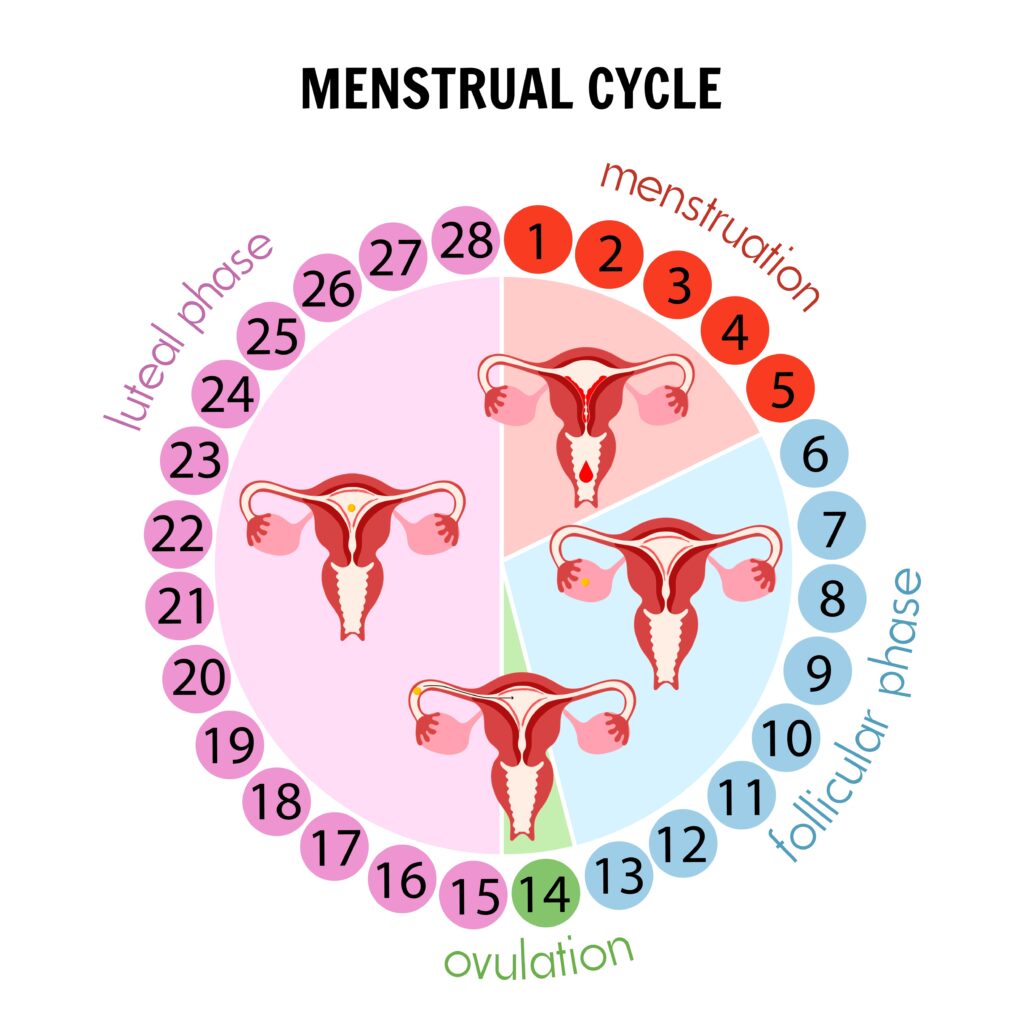
The menstrual cycle has two phases. The follicular phase runs from the first day of your period to ovulation. The luteal phase runs from ovulation to your next period.
Symptoms of PMS and PMDD occur during the luteal phase. In a typical 28-day cycle:
- Days 1–14 (period through ovulation): Most women feel their best in the week after their period ends.
- Around day 14 (ovulation): Estrogen peaks, then drops. Progesterone begins to rise.
- Up to 2 weeks before the period: Symptoms can begin as early as ovulation. Many women first notice them 5 to 7 days before bleeding.
- The last few days before the period: Hormone levels fall quickly, and symptoms often peak.
- Within a few days of bleeding: Symptoms ease and resolve.
Timing shifts with shorter or longer cycles. Tracking symptoms for a few months helps identify your pattern.
Symptoms of PMS and PMDD
Symptoms vary from woman to woman and from cycle to cycle.
Emotional and mood symptoms:
- Irritability or anger
- Anxiety or tension
- Sadness, tearfulness, or hopelessness
- Sudden mood swings
- Sensitivity to rejection
- Loss of interest in usual activities
- Feeling overwhelmed or out of control
Cognitive and behavioral symptoms:
- Brain fog or trouble concentrating
- Social withdrawal
- Food cravings, especially for sugar, salt, or carbohydrates
- Sleep changes, such as insomnia or oversleeping
- Fatigue and low energy
Physical symptoms:
- Bloating and water retention
- Breast swelling or tenderness
- Headaches or menstrual migraines
- Cramps, back pain, and joint or muscle aches
- Acne flares
- Constipation or loose stools
- Weight gain from fluid shifts
- Hot flashes or night sweats, especially in the late 30s and 40s
Impact on Daily Life
PMS and PMDD can affect one to two weeks of every month, which is up to half your month. Over a year, that adds up to as much as six months of feeling unwell. Even if your symptoms last only one week, that’s three months of every year. That’s too much time to just grin and bear it, and the effects reach far beyond physical discomfort:
- Relationships: Irritability and mood swings can lead to conflict with partners, children, and friends, often followed by guilt.
- Work and school: Poor focus, low energy, and anxiety can affect performance and confidence.
- Social life: Many women cancel plans or pull away during the second half of their cycle.
Finding help can also feel overwhelming. Many women have tried several approaches or have been told their labs are normal despite ongoing symptoms. These symptoms are real and treatable. Our role is to simplify the process, identify the underlying drivers, and create a clear plan.
Conventional Treatment Options and Their Limits
Conventional treatments for PMS and PMDD help many women. We work alongside your primary care provider or gynecologist, not in place of them. Common options include:
- Pain relievers (NSAIDs such as ibuprofen): Ease cramps, headaches, and aches. They do little for mood, and frequent use can irritate the stomach and gut lining.
- Hormonal birth control: Some pills stop ovulation, which reduces hormone swings. One formulation is FDA-approved for PMDD. Some women experience more anxiety, low mood, or low libido on the pill, and symptoms often return after stopping.
- SSRIs (antidepressants): Often the first-line treatment for PMDD and can work quickly. Some women take them only during the luteal phase. Side effects may include nausea, sleep changes, low libido, or emotional blunting.
- Diuretics: Reduce bloating and breast swelling but do not address mood or the cause of fluid shifts.
- Ovarian suppression medications: Used in severe cases to create a temporary menopause-like state. Side effects such as bone loss limit them to short-term use.
The main limitation is that these options manage symptoms without addressing why they occur. They typically do not evaluate stress, nutrient status, gut health, or estrogen metabolism.
Related Conditions
Other health issues can increase sensitivity to hormone shifts and make PMS and PMDD worse. Identifying and treating them is an important part of care.
- Stress and adrenal fatigue: Chronic stress disrupts cortisol, which affects progesterone, blood sugar, and mood.
- Nutrient deficiencies: Low magnesium, vitamin B6, calcium, vitamin D, zinc, and iron are linked to more severe premenstrual symptoms.
- Histamine intolerance: Estrogen and histamine increase each other. Excess histamine can cause headaches, anxiety, flushing, poor sleep, and cramps.
- Estrogen dominance: High estrogen relative to progesterone can cause heavy periods, breast pain, bloating, and mood swings.
- Thyroid problems: Low thyroid function can cause fatigue, low mood, and weight changes that mimic PMS.
- Insulin resistance: Blood sugar swings can worsen cravings, irritability, and energy crashes.
- Gut and microbiome imbalances: The gut helps clear used estrogen. An imbalanced microbiome can allow more estrogen to recirculate.
- PMOS (formerly PCOS): Irregular ovulation can lead to low progesterone and unpredictable cycles.
- Depression and anxiety: Often overlap with PMDD and can flare before the period.
- Perimenopause: Symptoms often worsen in the late 30s and 40s as hormones become less stable. Learn more about perimenopause.
Lab Testing for PMS and PMDD
Testing for PMS and PMDD helps us identify where your body needs support, so your treatment plan is specific to you.
- Hormone testing: We assess estrogen and progesterone. Progesterone is best measured about 7 days after ovulation, around day 19 to 22 of a 28-day cycle. Low progesterone is common in PMS. Hormone testing can also evaluate cortisol patterns.
- Estrogen metabolites: How your body breaks down estrogen matters as much as how much you make. Some pathways are protective, and others are linked to more symptoms. The DUTCH Complete test measures estrogen metabolites along with progesterone and cortisol.
- Nutrient testing: Blood work can check iron stores, vitamin D, B12, folate, magnesium, and zinc, as well as thyroid function and blood sugar markers.
- Additional testing: Depending on your symptoms, we may evaluate gut health, histamine, or food sensitivities.
IMAGE: hormone-testing-for-pms-and-pmdd.jpeg — Alt text: “Naturopathic doctor reviewing hormone test results with a female patient.” Min. 1200px wide.
Natural Treatment for PMS and PMDD
Each treatment plan for PMS and PMDD is individualized. We begin with the steps likely to help most and add support only as needed.
Hormone-balancing herbs and diet. Certain botanical medicines can support progesterone, stabilize mood, and ease cramps. Chasteberry (vitex) is one of the most studied herbs for PMS. Because herbs can interact with medications, including birth control and antidepressants, we select them carefully. Meals built around protein, fiber, healthy fats, and vegetables help keep blood sugar steady. Cruciferous vegetables, such as broccoli and cabbage, support healthy estrogen metabolism. Limiting alcohol, caffeine, and added sugar in the luteal phase can also help.
Seed cycling. Seed cycling involves eating flax and pumpkin seeds in the first half of the cycle and sesame and sunflower seeds in the second half. Research is limited, but it is low-risk and adds healthy fats and fiber. Learn more about seed cycling for hormone balance.
Detox support and castor oil packs. The liver and gut work together to clear used hormones. We support these pathways with fiber, hydration, and nutrients for liver function. Many women find castor oil packs soothing for cramps and bloating.
Anti-inflammatory diet and food sensitivities. Inflammation can worsen cramps, pain, and mood symptoms. An anti-inflammatory diet emphasizes whole foods, colorful plants, and omega-3 rich fish. When specific foods drive inflammation, identifying and removing them can reduce symptoms throughout the cycle.
Targeted nutrients. Specialized supplements can support the systems behind PMS and PMDD symptoms:
- Histamine: Vitamin C, quercetin, and vitamin B6 support histamine breakdown. Some women benefit from a DAO enzyme with meals.
- Prostaglandins (which drive cramps and pain): Omega-3 fats, magnesium, ginger, and turmeric help reduce inflammation and cramping.
- Neurotransmitters: Magnesium, vitamin B6, and calcium support serotonin and GABA, calming brain chemicals that dip before the period.
We tailor the type and amount to your labs and symptoms. Please talk with us before starting new supplements, especially if you take medications.
Lifestyle support. Through lifestyle counseling, we help you build steady habits:
- Sleep: A consistent bedtime, especially in the week before your period
- Movement: Regular aerobic exercise, which is linked to fewer premenstrual symptoms
- Stress care: Breathing exercises, time outdoors, and acupuncture
- Cycle planning: Scheduling lighter days before your period when possible
- Tracking: A simple app or journal to monitor progress
IMAGE: seed-cycling-for-pms-and-pmdd.jpeg — Alt text: “Bowls of flax, pumpkin, sesame, and sunflower seeds used for seed cycling.” Min. 1200px wide.
Our 3-Month Approach
Treating PMS and PMDD does not require doing everything at once. We break care into clear steps:
- Month 1: Evaluate. We review your history and symptom tracking and order appropriate labs.
- Month 2: Build the foundation. We begin diet changes, key nutrients, and herbs based on your results.
- Month 3: Refine. We assess what is working, adjust what is not, and add targeted support if needed.
The body needs a few cycles to respond, and tracking two to three cycles shows clear patterns. Many women notice meaningful improvement within three months, and some sooner.
Frequently Asked Questions
Can PMS turn into PMDD?
PMS does not simply become PMDD, but symptoms can worsen over time, especially with chronic stress or during perimenopause. Worsening symptoms are a good reason to seek support.
Is PMDD a hormonal or mental health condition?
Both. PMDD occurs when the brain reacts strongly to normal hormone changes, so treatment often supports both hormones and brain chemistry.
Can I use natural treatment while on birth control or an antidepressant?
Often, yes. We coordinate with your current plan and other providers. Please do not stop any medication on your own.
How long does natural treatment take to work?
Most women allow about three months, or three cycles, to see meaningful change. Some notice relief within the first cycle.
Schedule a Consultation
You deserve to feel like yourself all month, not just during the good weeks. Our naturopathic doctors offer natural treatment for PMS and PMDD built around testing, a clear plan, and ongoing support. Schedule a complimentary consultation to talk to one of our Naturopathic Doctors to see if we can help.